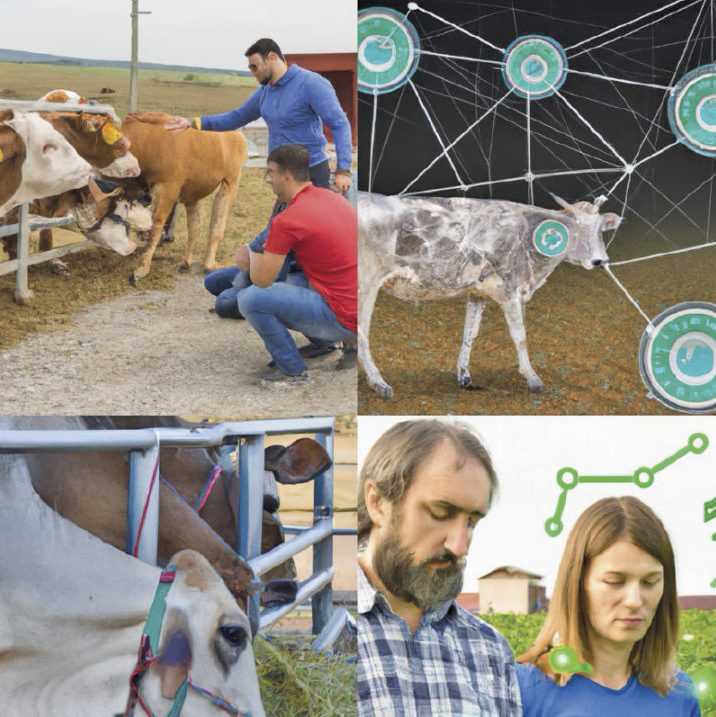
Artificial intelligence seems to have been a buzzword taking over many aspects of our society, from marketing to film and now even animal agriculture.

Weedy alfalfa stands can reduce nutritional value and forage quality as well as have the potential to cause real livestock health concerns through nitrates or other toxins.
If we understand the protein fractions within our forages, we can ensure livestock requirements are met and improve performance.
Alfalfa is a high-quality forage providing a high concentration of protein as well as energy. However, this is also what makes grazing alfalfa a bloat risk.
What does a bank and a commercial laboratory have in common with your cattle operation? The answer is family values. Dr. Ray Ward founded Ward Laboratories Inc. on honesty, integrity and the vision to rebuild and support rural communities.

Not only are NIRSC calibrations accurate for the evaluation of grass-type forages, but they successfully combine warm- and cool-season grasses, eliminating the need for separate calibrations.
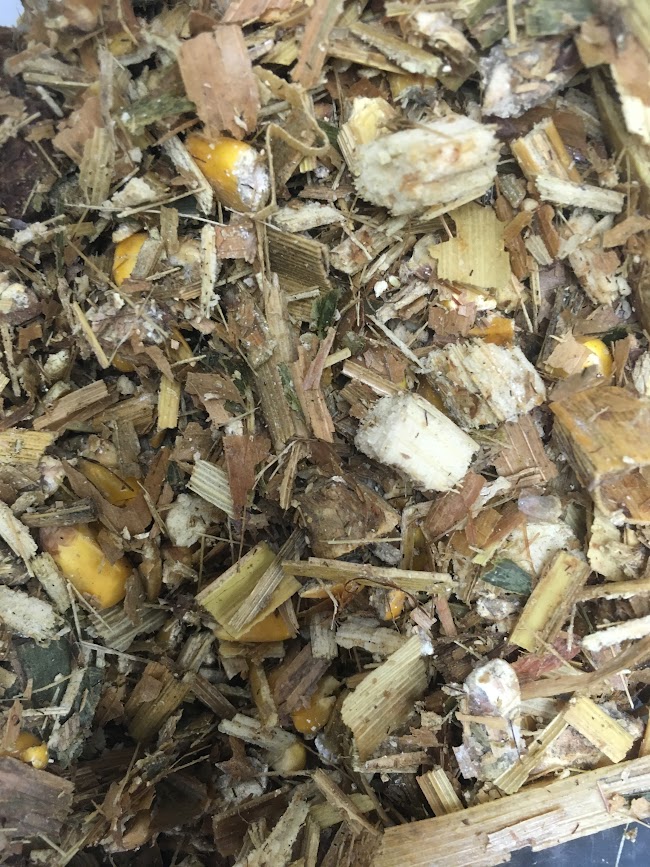
In the dairy industry, corn silage is often fed to gestating and lactating cows. In big dairy states such as Wisconsin, New York, Pennsylvania and Minnesota, corn silage production and feeding has been optimized by forage and dairy producers alike.
This grazing season, don’t end up with dead or seizing cows in your pasture. Do all you can to prevent prussic acid poisoning in your herd.
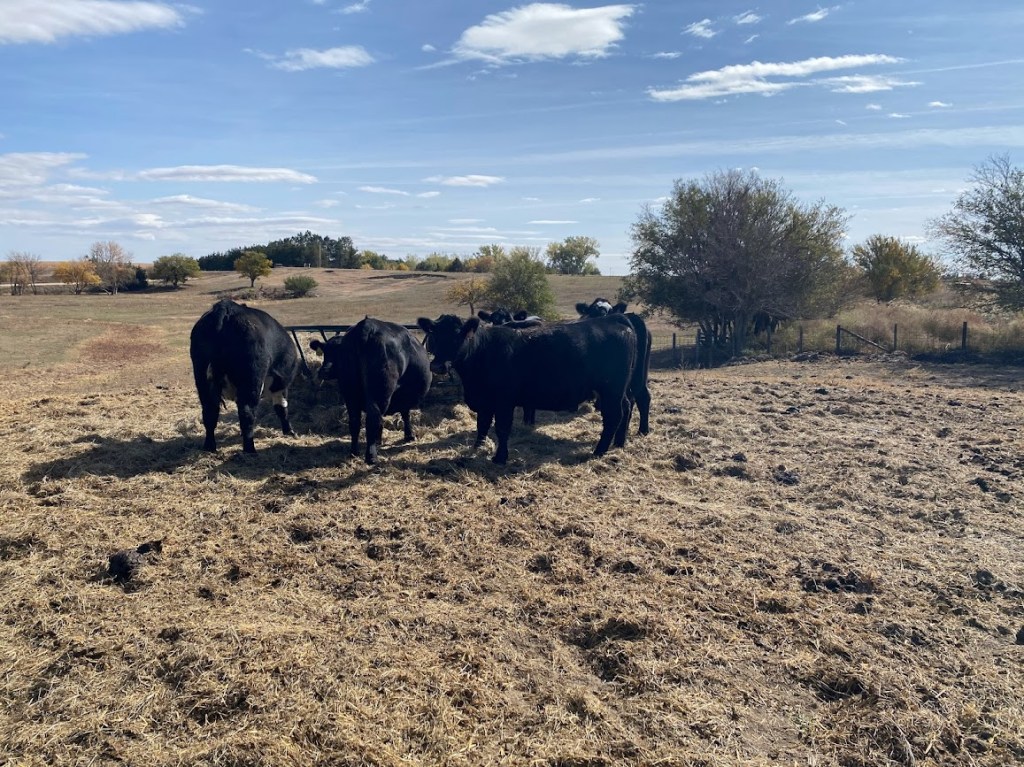
Diet is a large environmental factor, especially when considering the rumen interface. Implementing a more meticulous feed management system can save money in several ways.

Hay is the bulk of horse diets. Therefore, it is critical to utilize and understand an analysis. Interpreting your report will help determine which supplemental feeds to incorporate into your horse’s diet.
Winter management for forage producers looks quite different from the rest of the year. Many might feel as if there must be something they can do to get a jump on next season.
This year, with the severe drought taking hold in many areas, producers grazing sorghums, sudangrasses and millet varieties were cautious about nitrate and prussic acid toxicity.
The calls I typically get in the fall about forage options have started early this year. With drought persisting through much of the U.S., many producers are already seeing stunted growth in first and second hay cuttings on dryland.

When I visit with forage producers about hay moisture in square bales, the top concern is spontaneous combustion and fire risk, followed by mold and mycotoxins and heat damage.
In Nebraska, the effects of the drought are prevalent. We have seen no April showers, instead wind and grass fires. These conditions are forecast to persist. So we are going to need to start making our forage plans early.
As a consultant at a commercial testing laboratory, this is one of the most common questions I receive from producers looking at their forage report.

Under the drought conditions of the 2021 growing season, I heard many concerns from livestock producers about forage supply shortages, low quality of the forages available and, of course, nitrate accumulation in those forages.
Drought conditions encompassing the entire western U.S. have producers concerned about declining hay and forage inventories.

Grazing cover crops can be a cost-effective way to achieve multiple operational goals. Cover crops can provide ground cover to prevent erosion, improve soil health over time and provide nutrient-dense forage for grazing. However, turning cattle out onto cover crops to graze without understanding the risks can lead to a wreck.

Brown midrib (BMR) or low-lignin varieties of sorghum, sudan, millet and hybrid crosses have been commercially available since the 1990s. However, I still receive questions (and opinions) from livestock producers regarding claims that BMR varieties improve animal performance relative to their non-BMR counterparts. Some buy in wholeheartedly, attesting to improved intake and body condition; others say they have not seen the benefits.
For many cattle producers, it is a relief to put the cows to pasture. We have just overcome winter feeding obstacles, and many of us are ready to turn the cows out and focus on other tasks.
Acute nitrate toxicity occurs when animals consume high-nitrate forages for a short period of time. Nitrate is converted to nitrite by rumen microbes as an intermediate step in converting the nitrate to microbial protein. Ruminant animals are specifically at risk, as they bring up the feed bolus for chewing and inhale the nitrite.
Often, I consult with livestock producers testing forage for their animals. Inevitably there are two numbers on the report they are most concerned with, protein and relative feed value (RFV). Protein is an important value to understand if the forage meets animal requirements, and RFV is a useful index to quickly compare or rank forages.
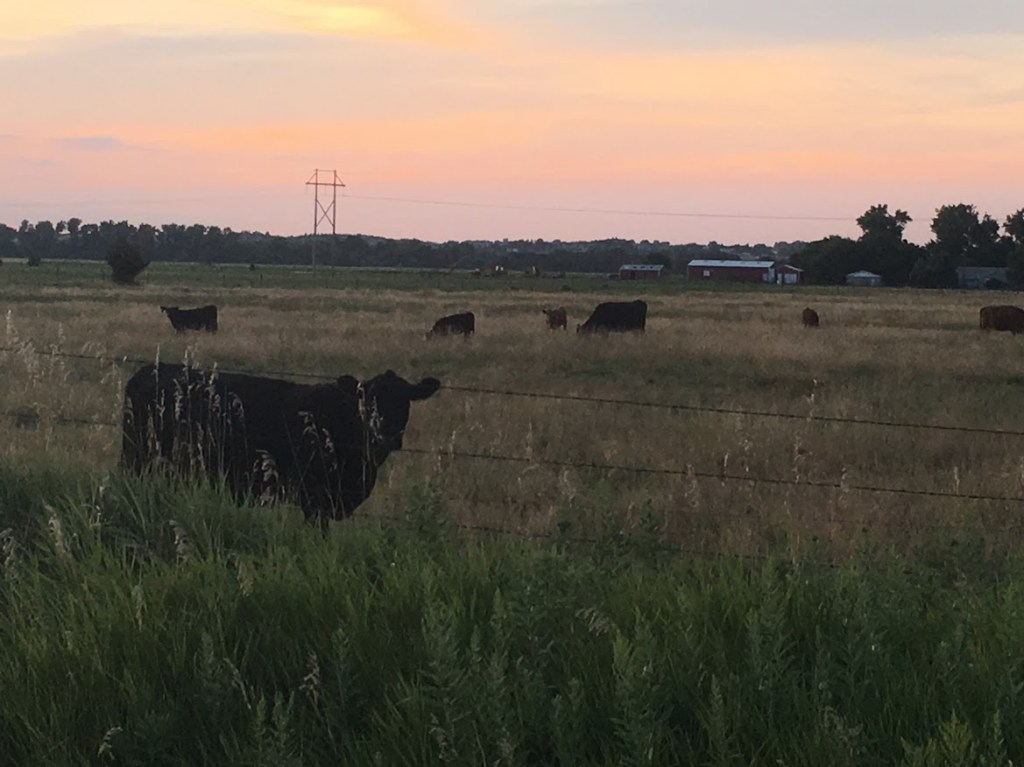
Each year I consult with several different producers regarding mineral issues in their feed. Some common things I hear are: “They just aren’t thrifty,” “They aren’t gaining like they should,” or, “We had more open cows than I was expecting.”
Utility hay is low quality hay. Typically, hay categorized as utility hay is high in fiber and low in energy and protein.
You have just had your hay or forage analyzed, and the relative feed value (RFV) and relative forage quality (RFQ) are lower than expected

 Nutri-Met